


Elvedin Hodžić · Violin Maker Tradition. Precision. A passion for sound.
Every instrument is unique. My goal is for every musician to find the instrument that suits them perfectly.

About me
Handmade violins —
every instrument is unique.
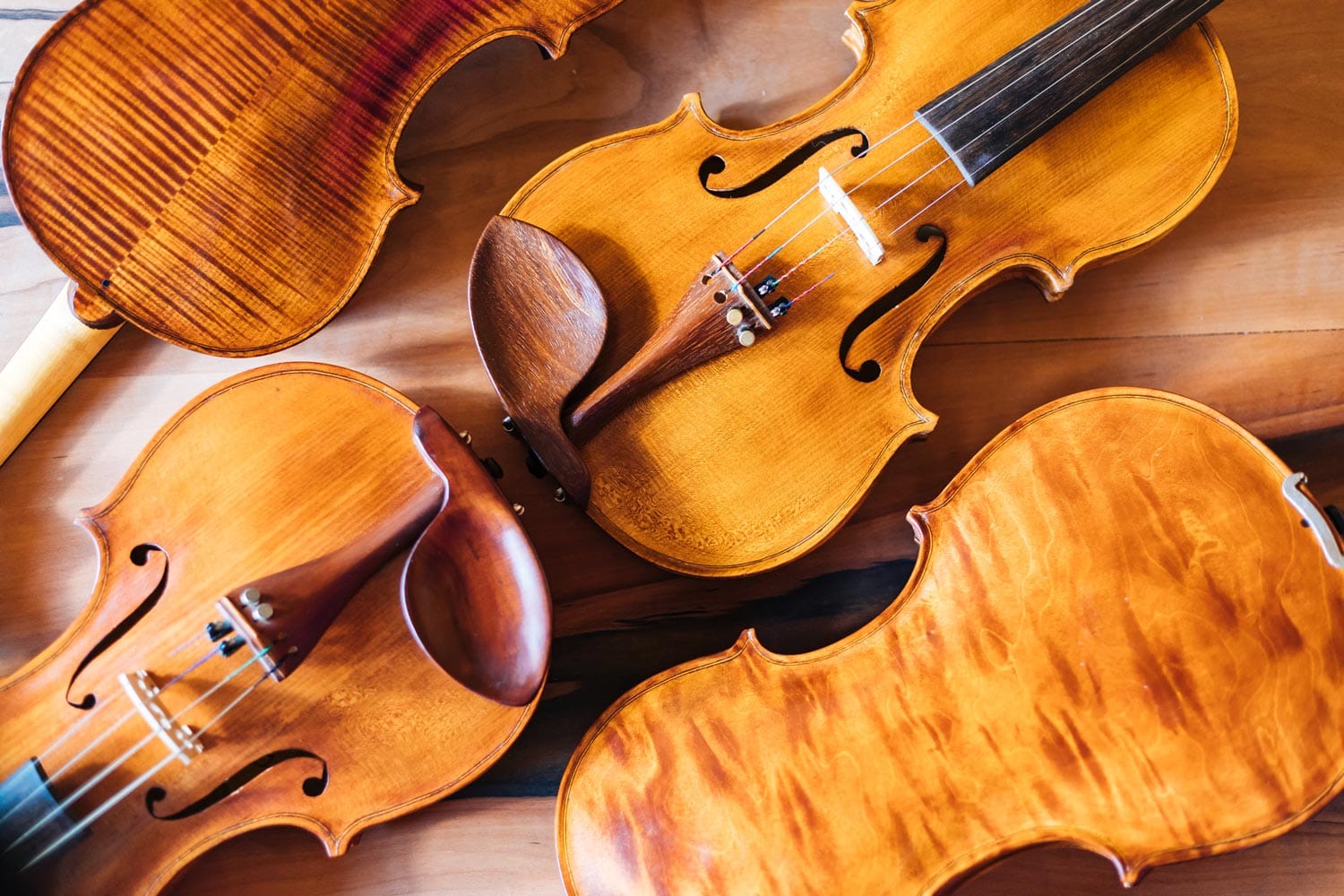
For many years I have devoted myself to making and restoring string instruments, combining traditional building methods with the precision of a modern approach.
I make or repair every instrument with care, love and respect for music and musicians. I use carefully chosen materials and proven techniques handed down through generations.
The top plate is made of resonant spruce, while the back, ribs and neck are made of maple. Every part is worked by hand to perfection, and natural varnishes and the final finish give the instrument a warm, rich tone.
I make violins for players of every level — from beginners and advanced pupils, through music students, to professionals and orchestras. Advice on choosing an instrument and accessories comes with the instrument itself.
- Top platespruce
- Back and ribsmaple
- Varnishnatural, for a warm tone
My mission
To create instruments that inspire, last for generations and carry the true beauty of sound.
Services
A craft that lives
through music
From choosing the wood to the last adjustment — every instrument gets full attention.

-
 01Violin making — learn more
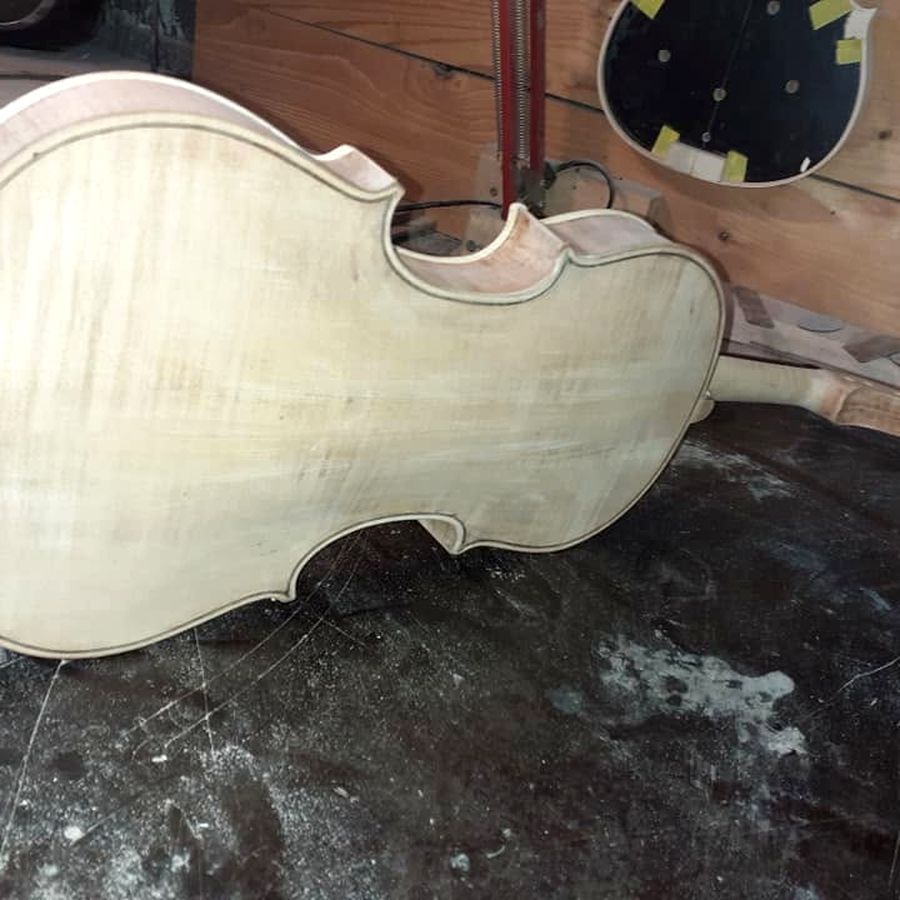
Violin making
Making new violins by traditional methods, from choosing the wood to the final tone.
Learn more -
 02Restoration — learn more
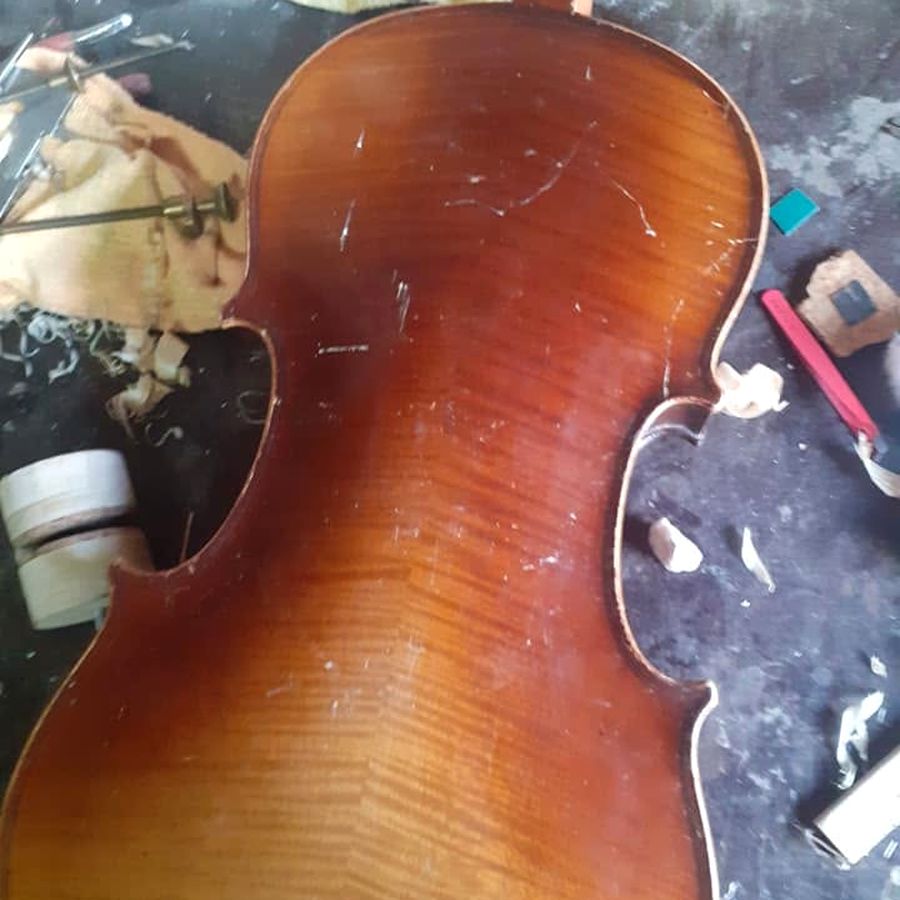
Restoration
Expert repair and restoration of old and damaged instruments, bringing back their original lustre and sound.
Learn more -
 03Setup — learn more
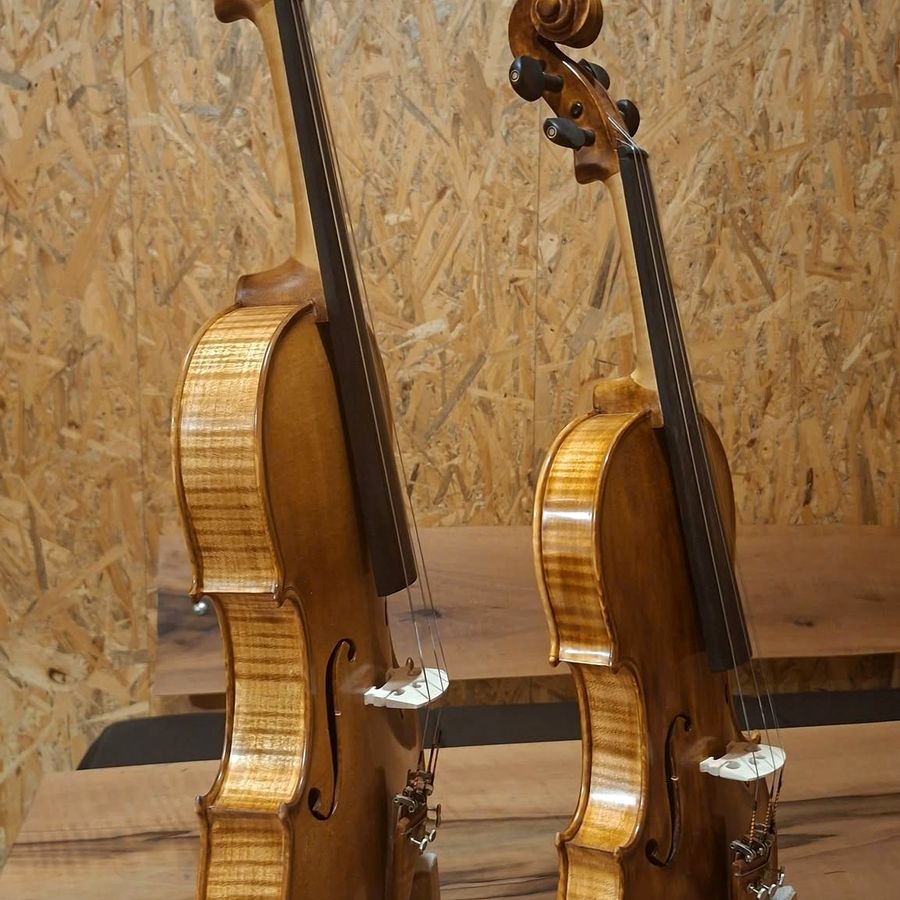
Setup
Setting up instruments for better playability and optimal sound.
Learn more -
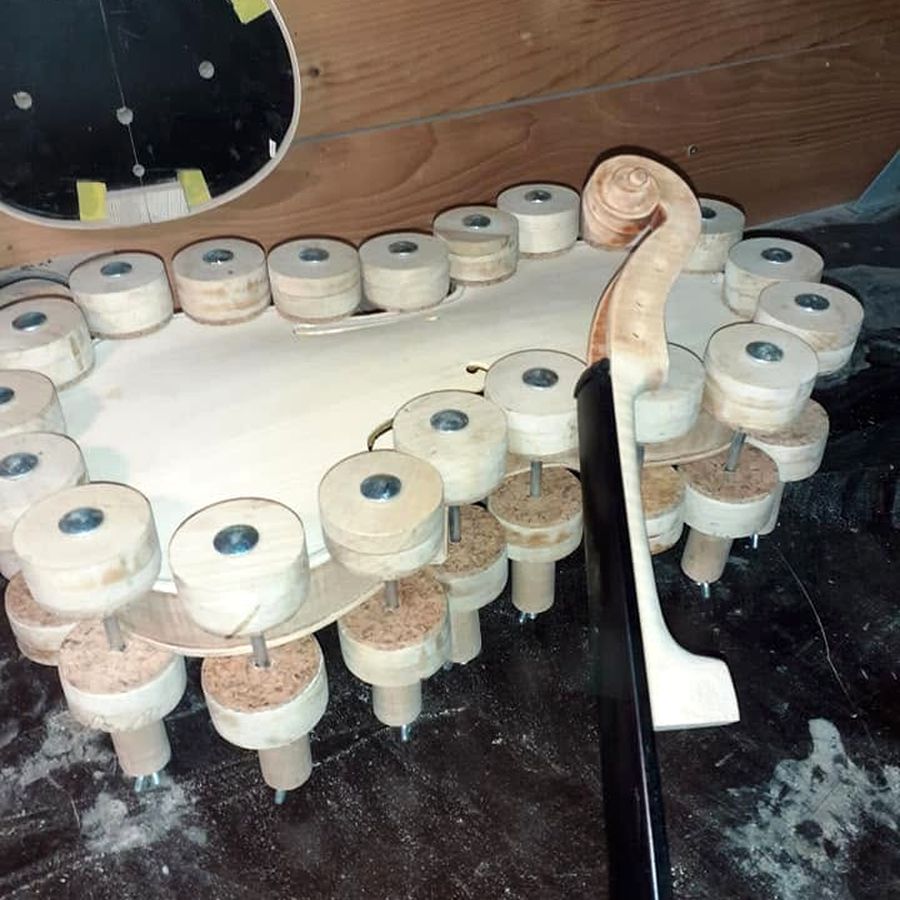 04Servicing and maintenance — learn more
Servicing and maintenance
Regular maintenance, replacement of parts and minor repairs.
Learn more
Handwork | Real materials | Better sound
Request an assessmentCollection
Violins from the workshop
Instruments for beginners, advanced pupils, students, professionals and orchestras — with advice on choosing an instrument and accessories.


Process
The making of
a one-of-a-kind instrument
Six steps that are never skipped — from a plank that still smells of the forest to an instrument that has been played before it leaves the workshop.
-
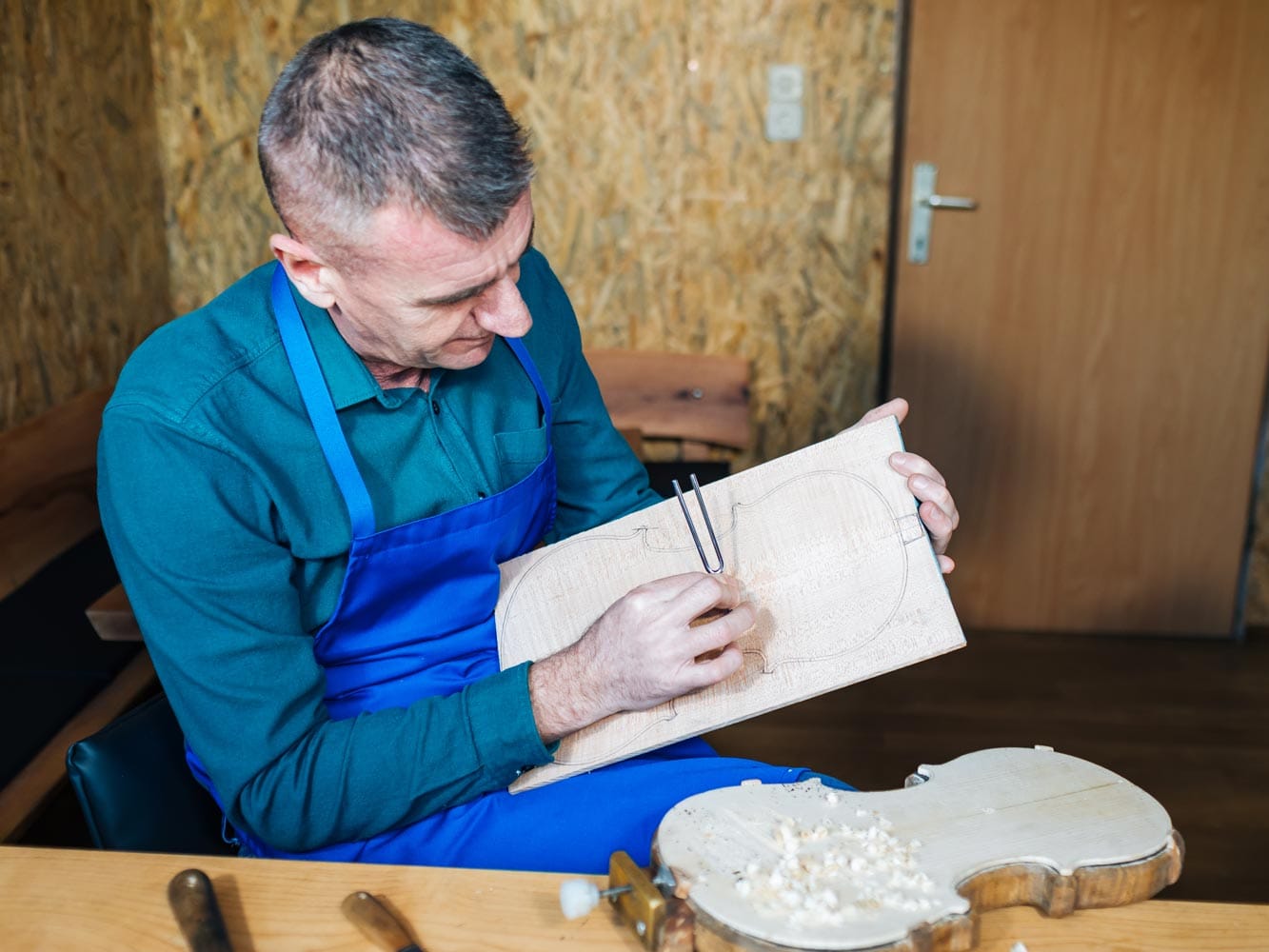
Choosing the wood
We select the finest pieces of wood, those with the best resonant potential.
-
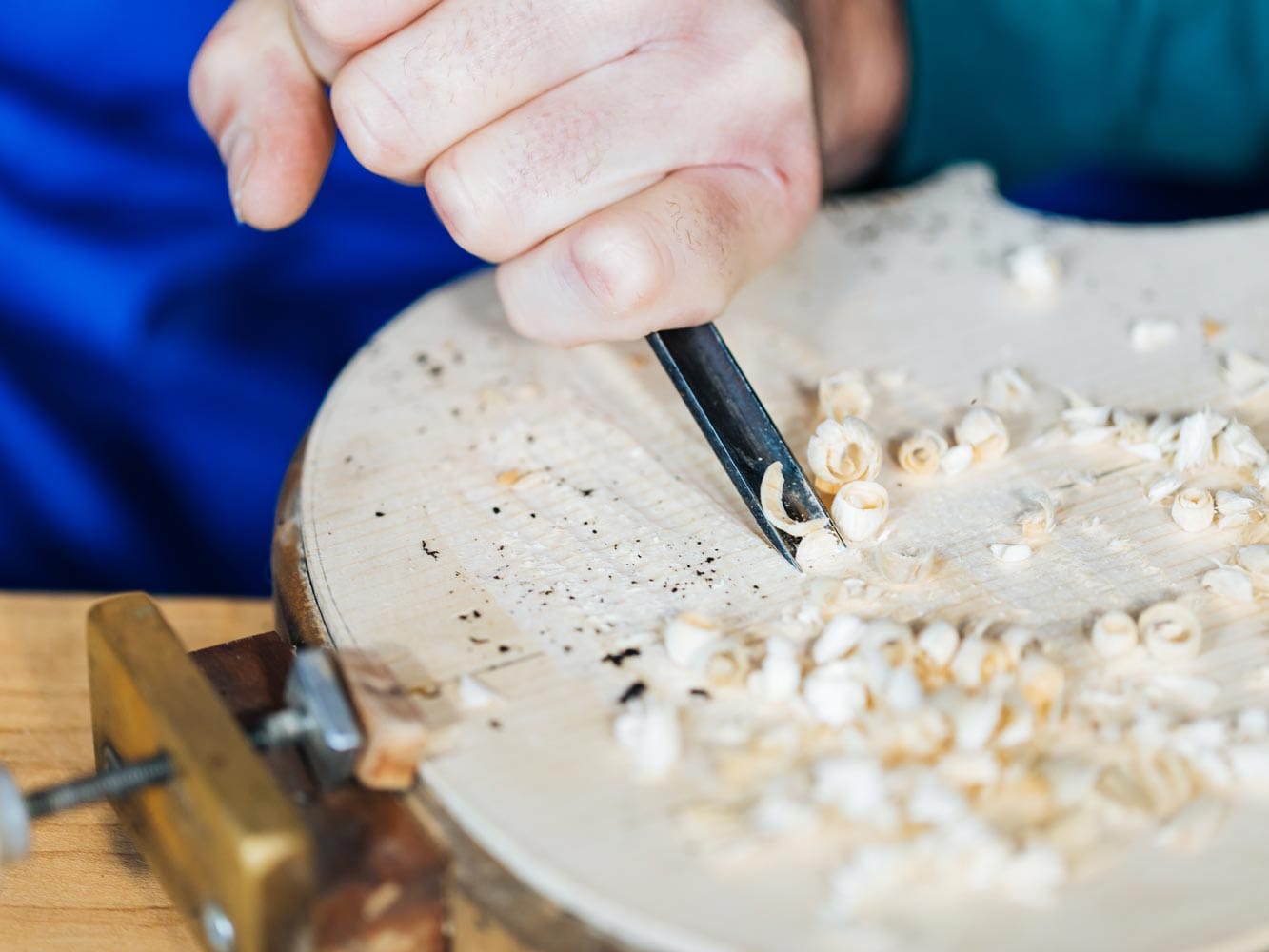
Shaping
Every component is shaped by hand, with special attention to acoustics and tonal balance.
-
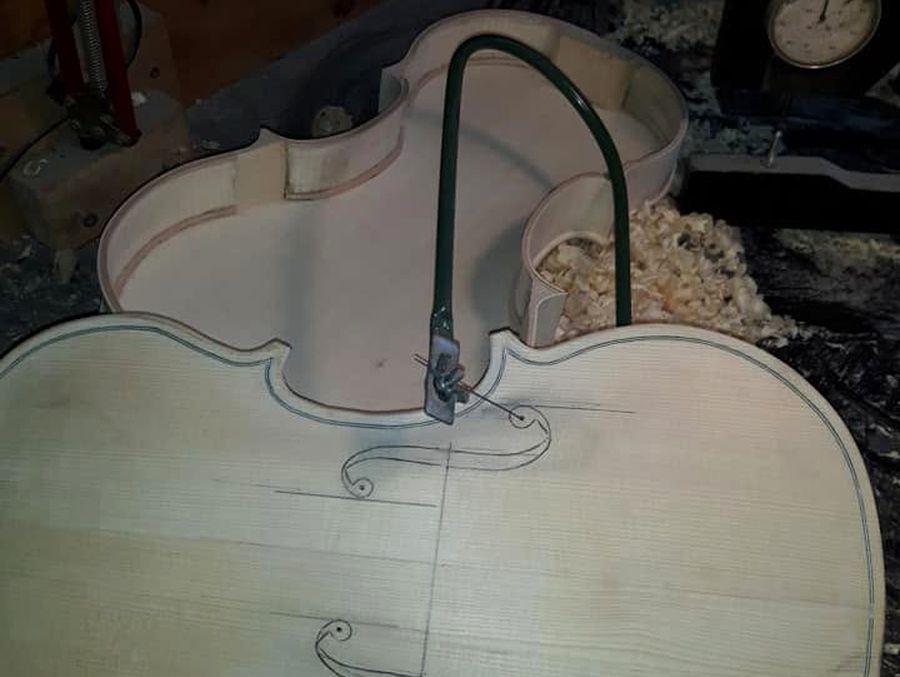
Assembly
Precise joining of the parts, fitting the soundpost and every element that affects the sound.
-
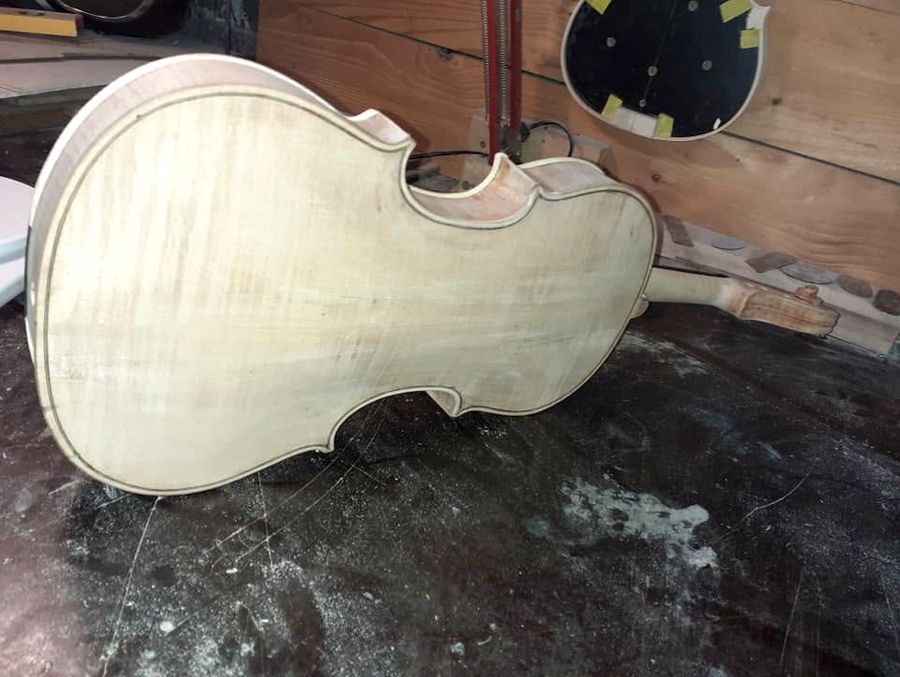
Finishing
Sanding, varnishing and polishing with protective natural varnishes.
-
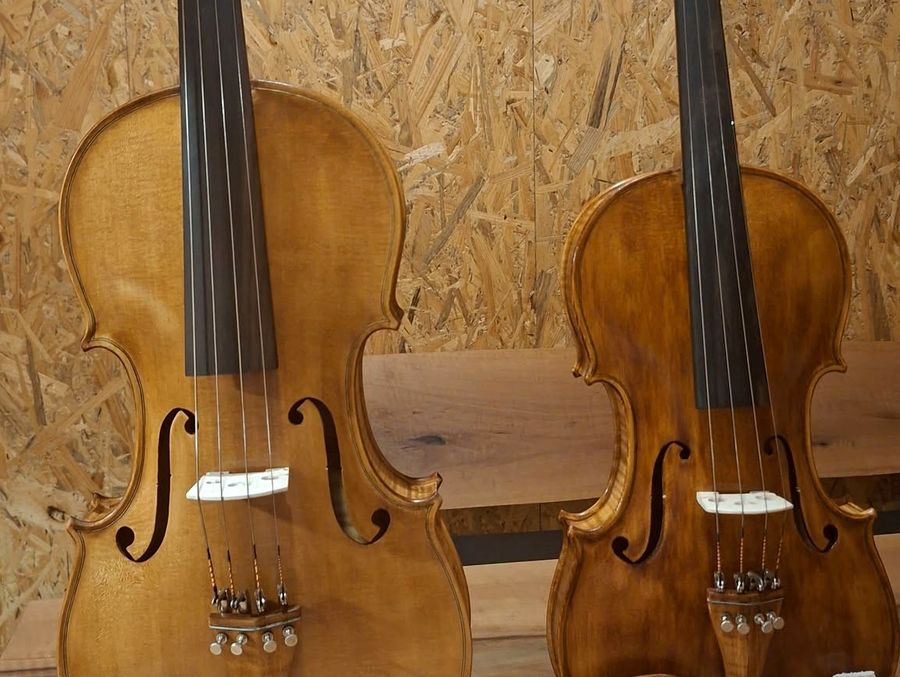
Setup
Adjusting the soundpost, bass bar, bridge and strings for optimal sound.
-
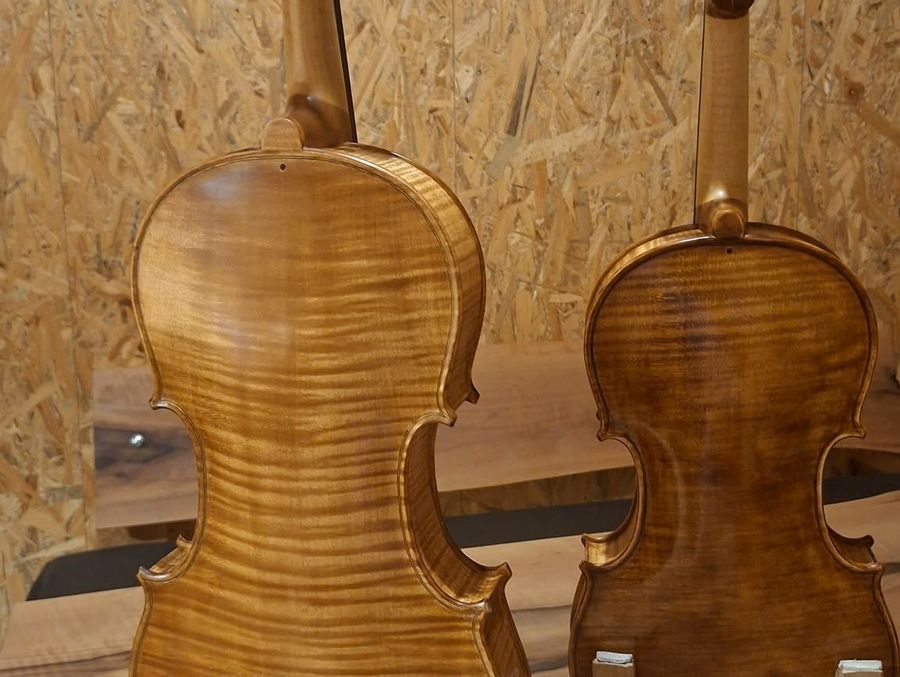
Quality control
Every instrument is tested and played before it reaches the musician.


Restoration
Violin restoration —
renewal that respects the original.
An old instrument carries the mark of every maker who has held it. Restoration begins with understanding — documenting its condition, taking measurements and judging what is original and what is a later intervention.


The work is minimal and reversible: hide glues, wood with the same properties as the original, and a varnish retouch that can be removed without damage. The goal is not for the instrument to look new, but to sound again and to safely last another century.
Every intervention is photographed before and after, so you know exactly what has been done to your instrument.
Request an assessment- Repair of cracks in the top and back plates
- Replacement or making of the soundpost, bridge and tailpiece
- Neck repair and resetting of the neck angle
- Retouching and conservation of the original varnish
- Expert assessment of condition and a written report

Every detail has its reason.
The result is a sound that lasts.
Video
It all began with
a promise to his daughter
A report by Anadolija on Elvedin's path to his first violin — about a hobby that became a craft. The report is in Bosnian.
Gallery
Photos from the workshop
Details, materials and moments of creation. Click a photo to enlarge it.
Contact
Let's talk about
your instrument.
Whether you are looking for a new instrument, an assessment of an old one, or advice on choosing — get in touch. Visits to the workshop are possible by appointment.